How to Make Sugar Cubes with Lavender
This post may contain affiliate links. Please read the disclosure policy to learn more.
Thank you for supporting this blog!
Learn how to make sugar cubes with just a silicone mold, a bag of sugar, some water, and a few spoonfuls of culinary dried lavender. This lavender sugar recipe works perfectly for sweetening coffee and tea, and makes a great edible, handmade gift. You can store homemade sugar cubes in a sealed glass jar or other airtight container at room temperature for up to one year, and possibly even longer than that!

What Inspired These Homemade Lavender Sugar Cubes?
I love incorporating lavender into all kinds of recipes, from beverages like lavender hot chocolate, lavender lemonade and lavender iced coffee, to lavender cookies, to homemade lavender simple syrup. My latest creation? Lavender sugar cubes This easy lavender sugar cube recipe contains just three ingredients (granulated sugar, dried lavender, and water) and requires less than 20 minutes of active prep time. You can these homemade cubes for baking, sweetening beverages like lavender tea, and more. They’re also great for gifting.

Key Ingredients
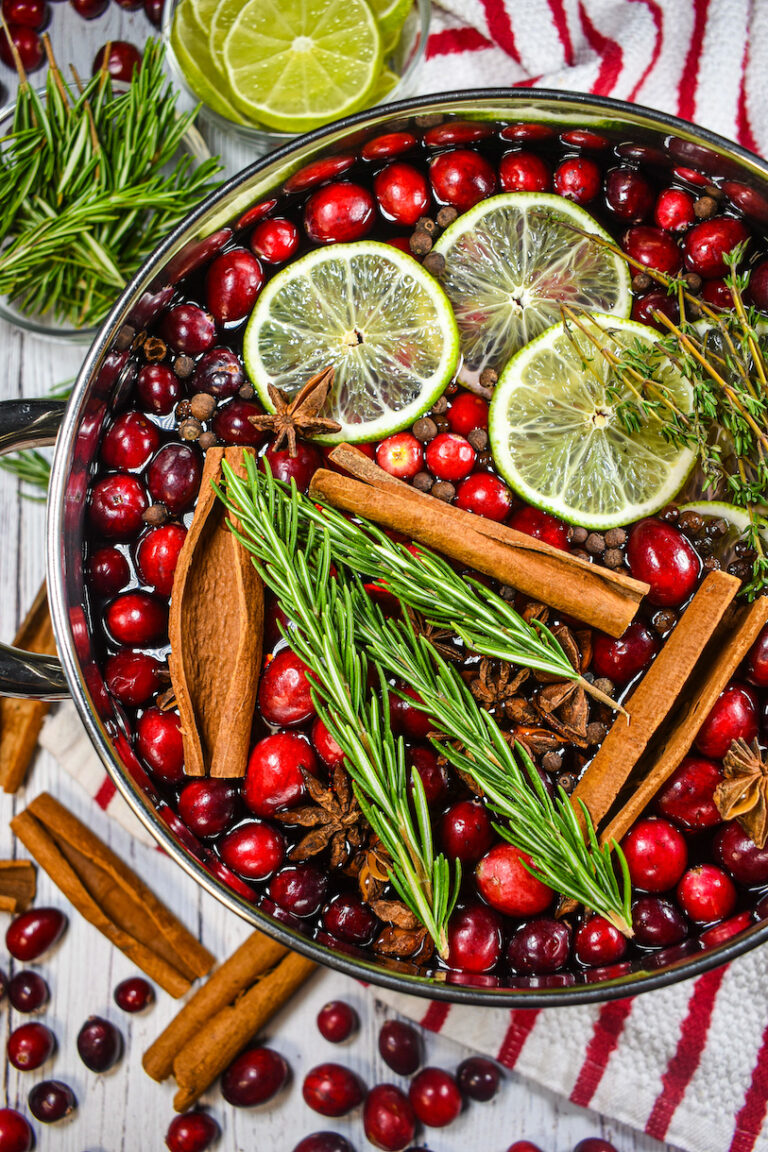
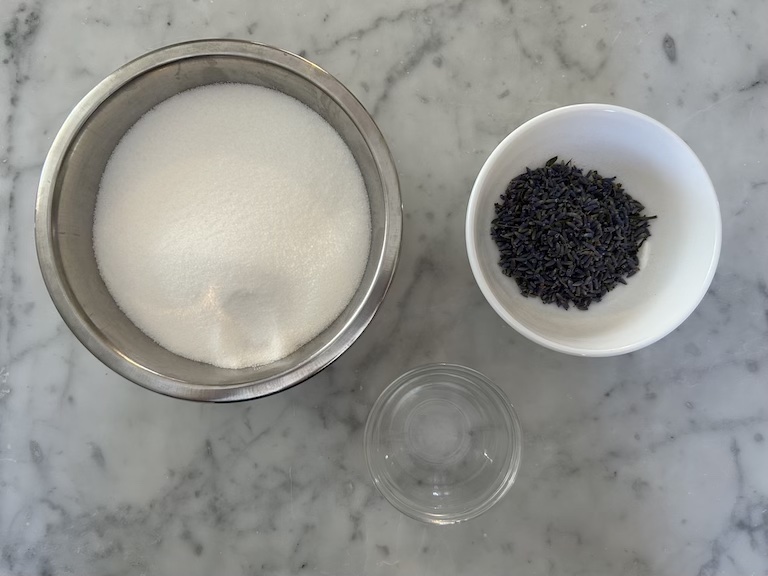
- Culinary Dried Lavender – To flavor my sugar cubes, I’ve added ground culinary dried lavender. When purchasing dried lavender flowers, look for a product clearly labelled as edible, food-safe, or culinary grade. Do not use dried flowers intended for potpourri or home decor. Dried lavender often comes in large quantities, so since you’ll have plenty of extra, I suggest making lavender simple syrup or a batch of cutout lavender sugar cookies. You can also add fragrant dried lavender to simmer pots, like my lavender simmer pot, rainbow simmer pot or spring simmer pot recipes.
- Sugar – I developed this recipe with granulated sugar. You can replace the granulated with another white grain sugar, such as caster or superfine. I have not tested this recipe with brown sugar.
Special Equipment for Making Lavender Sugar Cubes
- Food Processor – To grind the culinary dried lavender, I recommend a food processor or a standard coffee grinder. It’s important to process the buds into a very fine powder before mixing them with the sugar. (Do not put whole lavender buds directly into the sugar—they’re too big to dissolve, and will instead float awkwardly to the top of your cup of tea!) It’s the same processing technique I use in my lavender marshmallows recipe.

- Silicone Mold – To mold the sugar into cubes, you’ll need a silicone mold. I used this square silicone candy mold. It has 126 cavities, and each cavity measures about 1/2 inch square. You can use a mold with slightly bigger or smaller cavities (a silicone ice cube mold designed for making small cubes would work well) or opt for another shape, like circles or hearts, instead. Keep in mind that the recipe yield will vary depending on the mold you’ve chosen.

- Bench Scraper – A bench scraper works nicely for removing excess sugar from the top of the mold. For this recipe, a plastic (not metal) bench scraper is the best choice. (And once you have one, keep it handy! I love my bench scraper for everything from making bread and pizza dough to slicing ropes of homemade candy corn.)

- Storage Container – Like my strawberry sugar recipe, it’s important to store homemade sugar cubes in a cool, dry environment. If stored correctly, homemade sugar cubes should last for six months to a year, but if the sugar cubes draw moisture, they’ll turn into a sticky mess. I recommend storing in a tightly sealed jar or lidded storage container, away from other strong-smelling products, such as garlic or coffee.

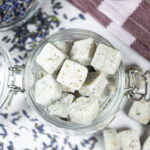
Lavender Sugar Cubes
- Total Time24 hours 20 minutes
- Yield325 grams (about 125-130 1/2-inch cubes) 1x
Learn how to make sugar cubes with just a silicone mold, a bag of sugar, and a few spoonfuls of dried lavender.
Ingredients
400 grams granulated sugar (2 cups)
6 grams culinary dried lavender flowers (3 tablespoons)
30 milliliters water (2 tablespoons), plus more to adjust consistency
Instructions
In a food processor or coffee grinder, grind the lavender buds to a fine powder.

In a small bowl, stir together ground lavender buds and granulated sugar. Drizzle in the water. With a fork, mix until a sandy mixture forms, and the sugar clumps together when squeezed.


With your fingertips, firmly pack the damp sugar mixture into the silicone mold.

Use a bench scraper to scrape away the excess. Press the sugar down again, then use the scrapings to fill any holes or gaps.

Sit mold on a small tray. Set aside and allow to dry, uncovered, until sugar cubes are dry to the touch, about 24 hours.

Invert the mold onto a plate or small tray. Carefully pop the sugar cubes from the mold.


Store lavender sugar cubes in a glass jar or airtight container at room temperature for up to 1 year. Use as desired.


Notes
Place the silicone mold on a tray so it’s easier to move.
- Prep Time: 20 minutes
- Drying Time: 24 hours
- Category: Miscellaneous
- Method: No Cook

Ways to Use Homemade Sugar Cubes
Use homemade lavender sugar cubes to sweeten hot beverages like hot chocolate, coffee, or tea, or add them to cocktails—muddle the sugar into a lavender gin fizz, or replace the granulated sugar in a classic old fashioned. These sugar cubes will work for sweetening cold drinks (lavender lemonade, lavender coffee, iced tea, or sparkling water), too. They will dissolve, just not quite as as quickly as they do in hot beverages, so be patient!
Some other ideas? Grind the cubes into a powdery lavender sugar, and use it as a replacement for regular sugar in baking projects. Place the cubes in pretty decorative jars or lavender teacups, and display on the tables at an afternoon tea party, bridal shower, or baby shower. Or for gifting, I like to arrange the cubes in a decorative jar, or in a cello bag placed inside a purple mug, along with good-quality tea bags or a few packets of instant coffee.
Other Lavender Recipes You Might Enjoy
Lavender Sugar Cookies
Spring Simmer Pot with Lavender
Lavender Lemon Latte Cookies
Lavender Simple Syrup
Lavender Coffee
Lavender Ice Cream
Lavender Infused Whipped Cream
Lavender Shortbread
And if you do make these, or any of my recipes, don’t forget to tag me @bastecutfold or use the hashtag #bastecutfold on Instagram. I always love to see what you’re making!