
Buttercream Easter Eggs
This post may contain affiliate links. Please read the disclosure policy to learn more.
Thank you for supporting this blog!
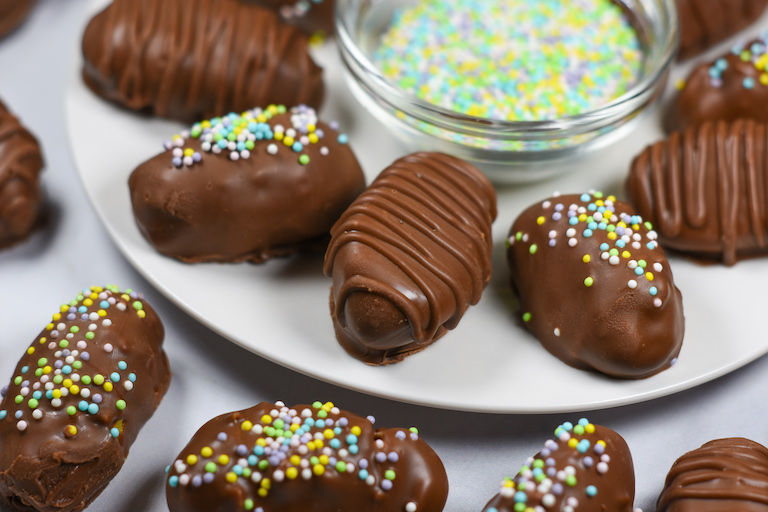
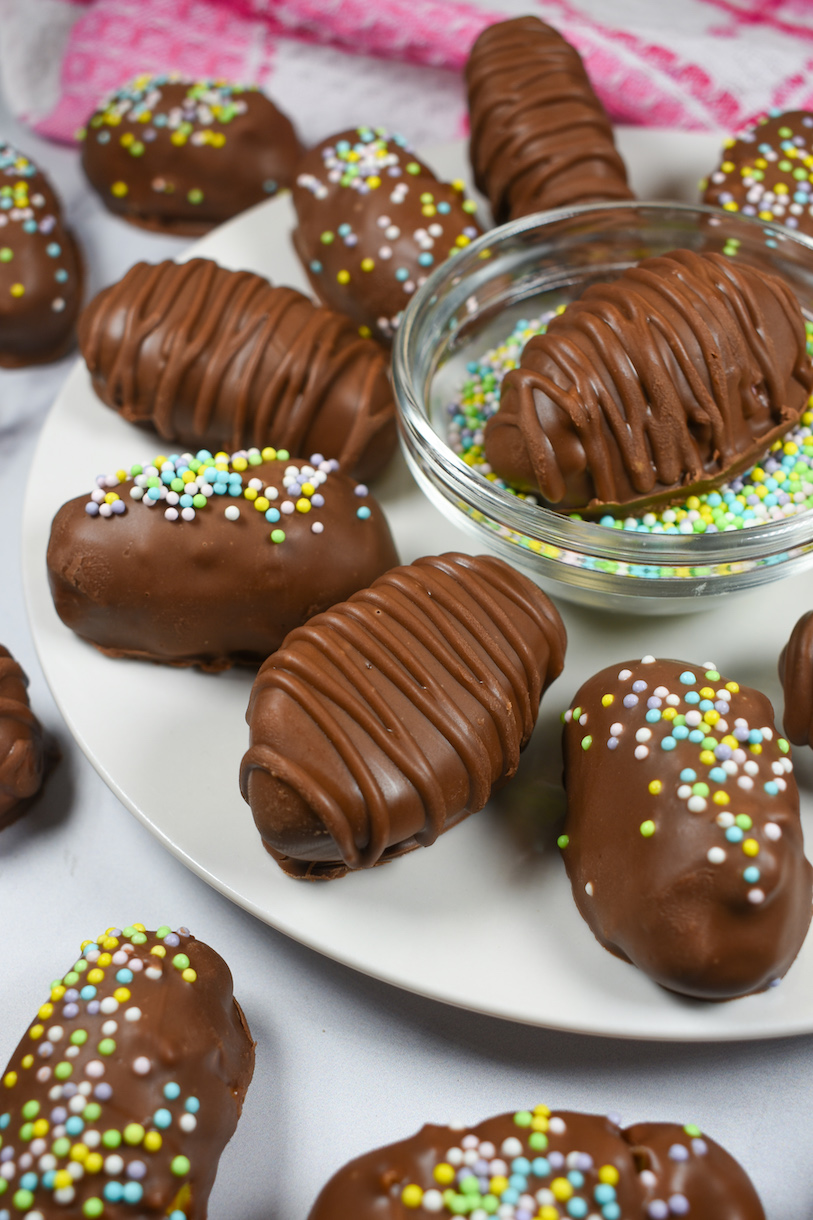
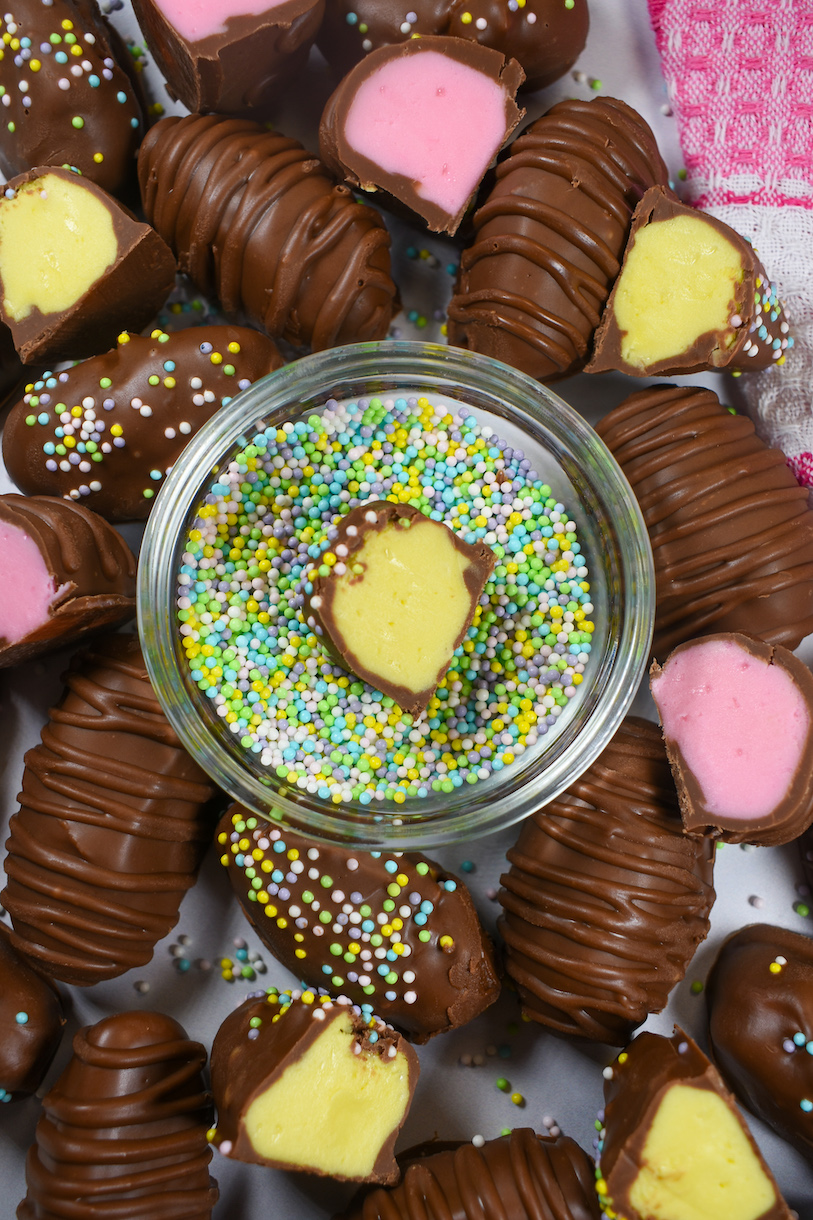
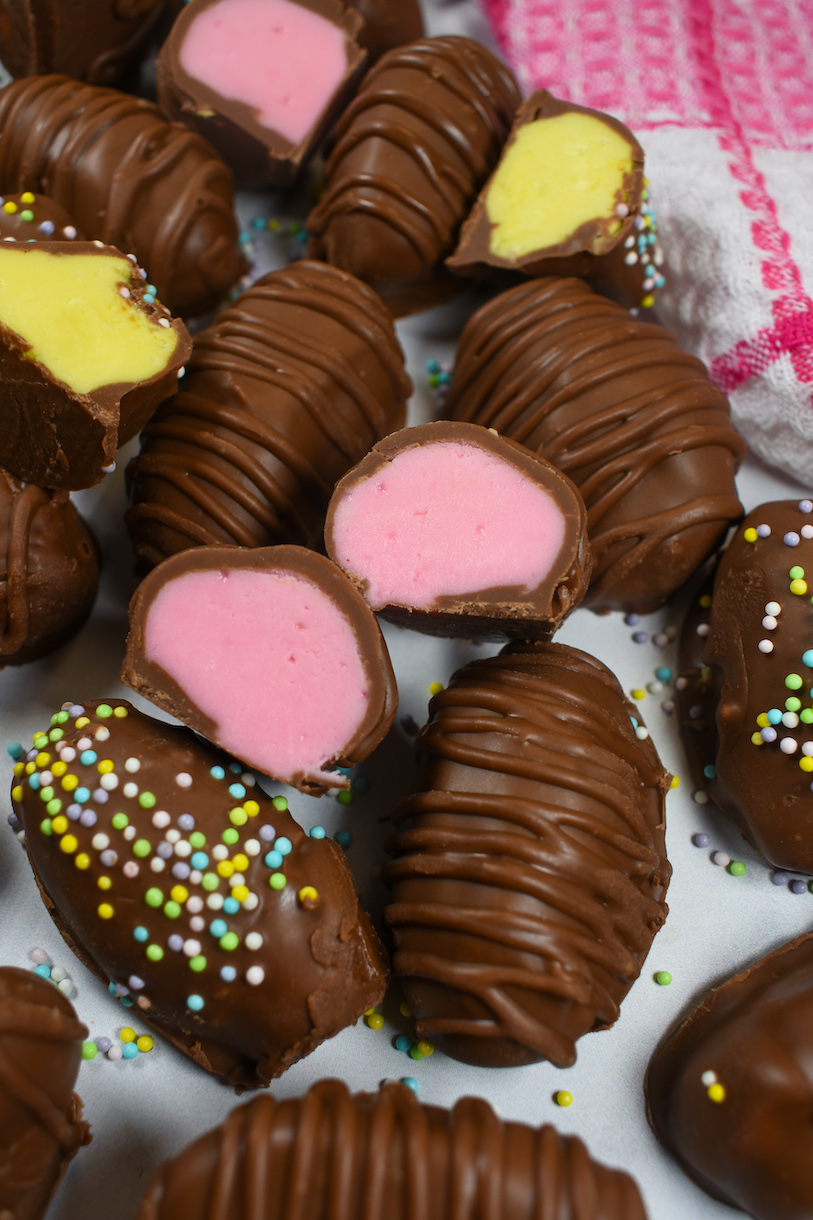
Featuring a soft, creamy center enrobed in chocolate and decorated with sprinkles, these buttercream Easter eggs are a classic Easter candy treat!
Why Did I Create This Buttercream Easter Eggs Recipe?
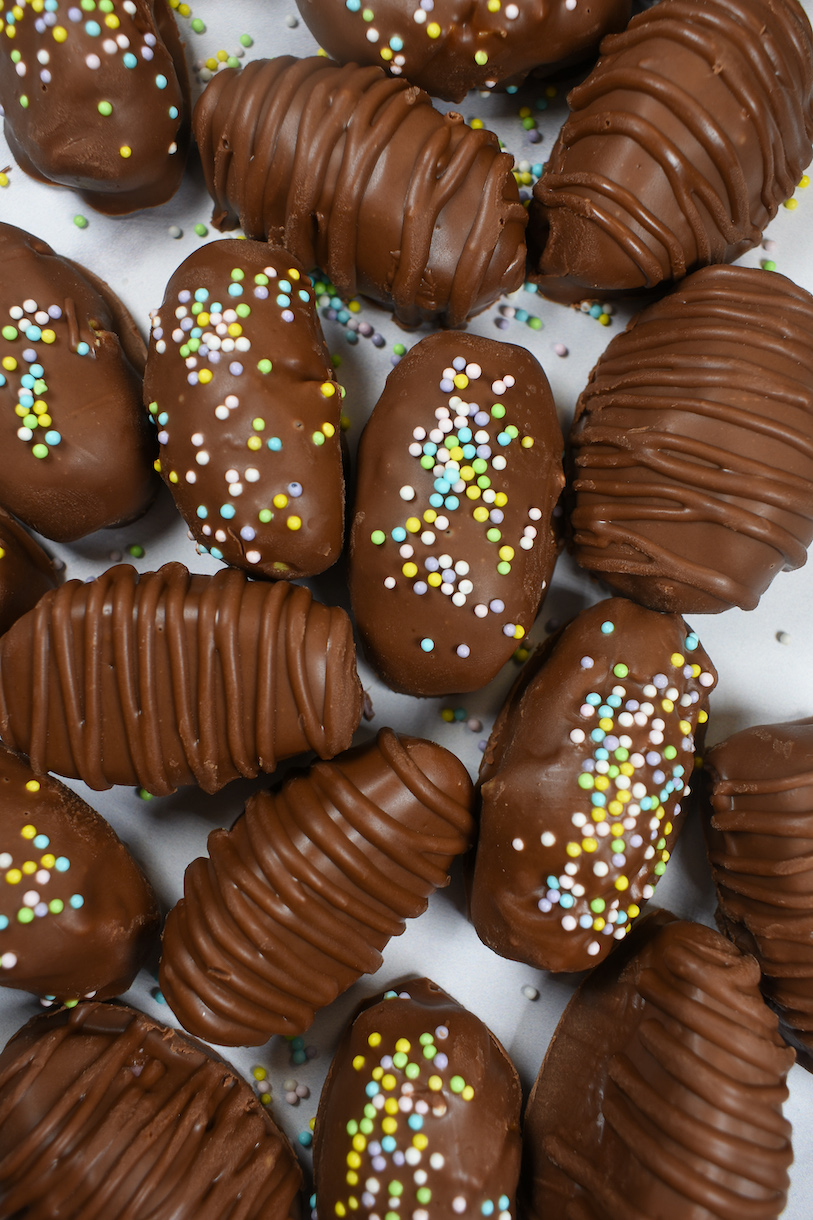
Growing up, chocolate-dipped buttercream Easter eggs were a family favorite and an annual holiday tradition I looked forward to every year. The sweet, creamy eggs feature a soft buttercream center enrobed in chocolate and decorated with sprinkles, sugar, or piped chocolate. They look complicated, but are actually very simple to make, with no cooking required.
I have a photocopy of the tattered old cookbook from which this recipe originates. The recipe says WGAL-TV CONSUMER CORNER and is dated April 2, 1982, courtesy of The Kitchen Shoppe in Carlisle, PA. It also includes recipes for other classic Easter treats such as peanut butter eggs and chewy coconut eggs, but I loved (and still love!) the buttercream eggs most of all. My favorite flavors are always maple and coconut, but it’s fun to make a variety of different flavors and colors, so there is an Easter egg for everyone in your family.
Buttercream Easter Egg Ingredients
- Unsalted Butter – Butter forms the creamy center of each egg (they’re called “buttercream eggs” for a reason!) and you’ll need plenty of it. A full batch requires 225 grams, or 1 cup of unsalted butter, softened. You can replace unsalted with salted; omit the fine sea salt if you go this route.
- Vanilla Extract – Vanilla extract creates the base flavor for the buttercream centers. Use the full amount of vanilla even if you plan to add other flavor oils or extracts. You can also skip the flavoring and make classic vanilla buttercream eggs instead—if opting for vanilla, I suggest adding a teaspoon of good-quality vanilla bean paste to the buttercream to accentuate the vanilla flavor, and add pretty speckles of vanilla bean for visual appeal.
- Fine Sea Salt – A touch of fine sea salt balances out the sweetness of the confectioner’s sugar and helps with preservation. You can replace the fine sea salt with another salt, but do not omit unless using salted butter.
- Confectioner’s Sugar – A.k.a. icing sugar, powdered sugar, or 10x sugar, sweetens the buttercream dough. You’ll need about 900 grams, or 2 pounds, of sugar, plus more to adjust the consistency of the buttercream filling.
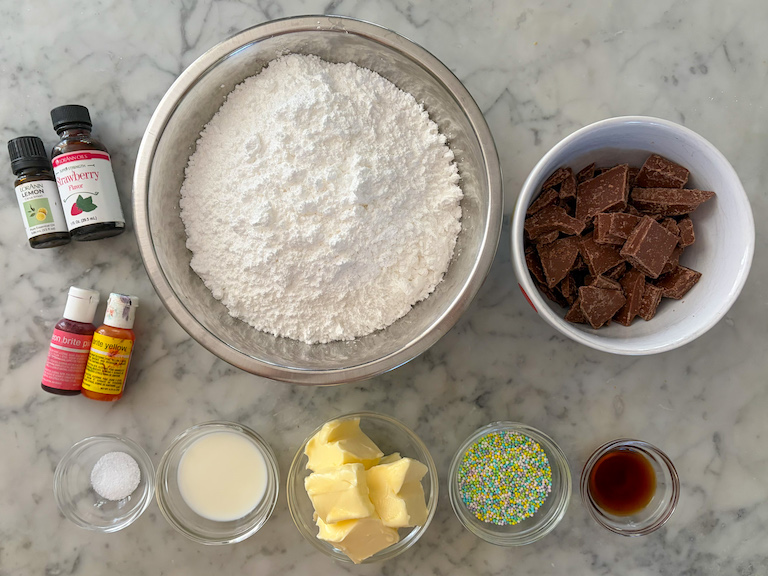
- Flavoring – Some popular options include maple, cherry, strawberry, coconut, coffee, raspberry, chocolate, or peppermint, but you can make buttercream eggs in any flavor you’d like. Add the flavoring slowly, a few drops at a time, and keep tasting as you go. For extracts and oils, LorAnn Oils is my go-to. Remember that you’ll need more product if using weaker grocery store extracts rather than concentrated oils and extracts designed for candymaking.
- Gel Food Coloring – Use gel food coloring to tint the buttercream, choosing colors to match your flavors (pink for cherry, yellow for lemon, orange for orange, etc.) You can also skip the food coloring and retain the natural, off-white color if making coconut or vanilla eggs, or if you prefer a more natural look. I use Chefmaster brand gel food coloring.
- Chocolate – For enrobing the eggs. I recommend a good-quality couverture such as Valrhona or Callebaut, or a better store brand like Ghirardelli, Guittard, or Lindt. You can also melt pre-tempered coating wafers. Avoid chocolate chips.
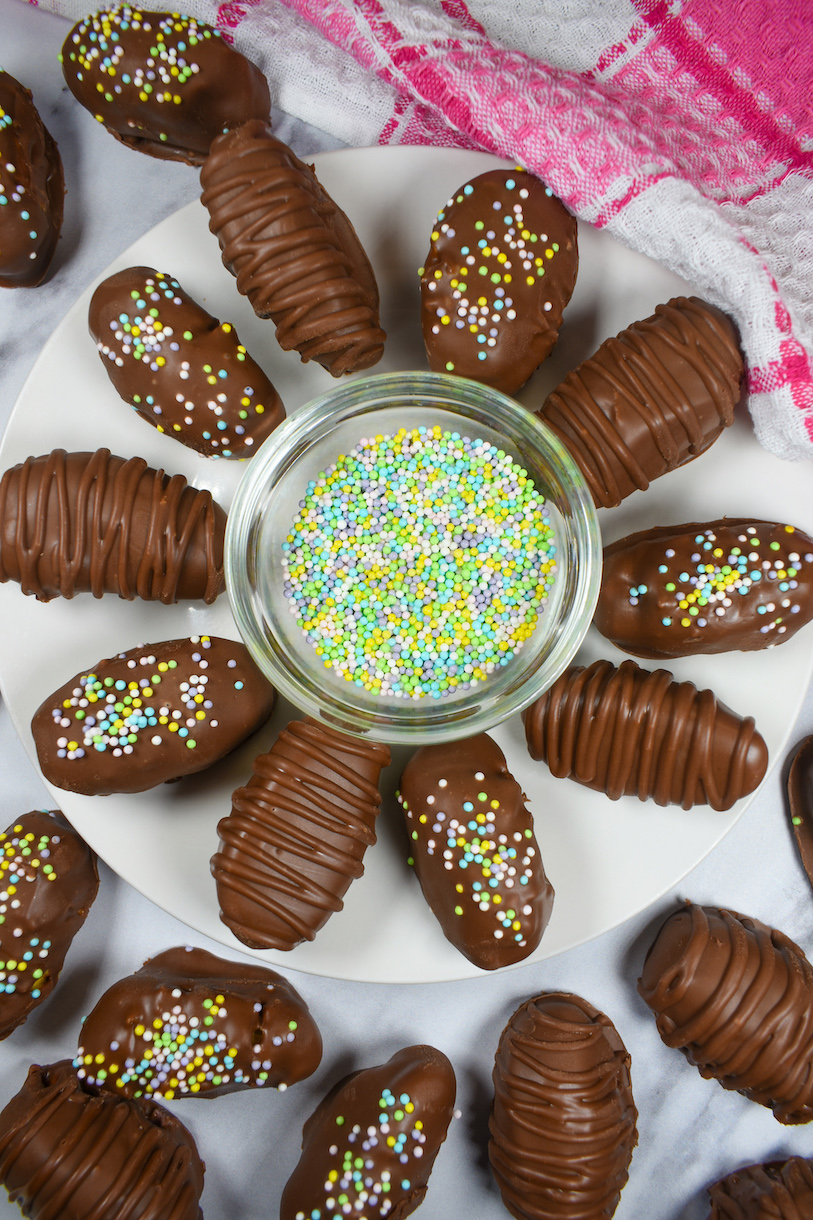
- Decorations – Sprinkle homemade buttercream eggs with pastel nonpareils, Easter sprinkles, sanding sugar, crushed nuts, or piped or drizzled chocolate.
Notes on Chocolate
Tempering is the process of heating and cooling couverture to specific temperatures for chocolate that sets quickly, with a distinctive shine and snap. If you aren’t familiar with tempering, you can use discs of coating chocolate for this recipe. Unlike couverture, coating chocolate (also known by a range of other names such as melting chocolate, melting wafers, confectionery coating, candy wafers, or dipping chocolate) is pre-tempered and ready to go, right out of the package.
I’ve tested these eggs with dark chocolate couverture (Callebaut 54.5% dark chocolate) as well as with milk chocolate confectionery coating. However, you can use any chocolate you’d like—white, milk, or even ruby chocolate will work. A good-quality, good-tasting product works best for this recipe, since chocolate represents one of the key flavors. Do not use cheap chocolate chips, which contain stabilizers that make them better suited to baking than candymaking.
Tools, Tips, and Tricks
- Get creative with flavors and colors. You can separate the buttercream dough into several smaller bowls and use a different flavor oil and gel food coloring for each, rather than making one big batch of the same flavor. I like to coordinate the flavors and colors, ie. pink for strawberry, white for coconut, or green for pistachio.
- Optional mix-ins. Try kneading other add-ins, such as chopped nuts, coconut flakes, or crushed espresso beans, into the buttercream dough.
- Use decorations to differentiate the flavors. If making several kinds of buttercream, I like to choose a different decoration for each to help differentiate between flavors.
- Use an enrobing fork. A metal enrobing fork makes dipping and coating the eggs so much easier. And once you have one, you’ll find yourself using it for all kinds of things, from Halloween treats to chocolate cherries for Valentine’s Day.

Buttercream Easter Eggs
- Total Time1 hour 15 minutes
- Yield50 2 in / 5 cm long eggs 1x
Creamy Easter eggs featuring a soft buttercream center enrobed in chocolate and decorated with sprinkles.
Ingredients
225 grams unsalted butter, softened (1 cup; 2 sticks)
1 tablespoon vanilla extract
1/4 teaspoon fine sea salt
900 grams confectioner’s sugar (2 pounds; about 7 cups), plus more to adjust consistency
45 milliliters whole milk (3 tablespoons), plus more to adjust consistency
Flavor oil, to taste
Gel food coloring, optional
Dark or milk chocolate couverture, for enrobing
Sprinkles or sanding sugar, to decorate
Instructions
Line a half sheet rimmed baking tray with parchment or a silicone mat. Set aside.
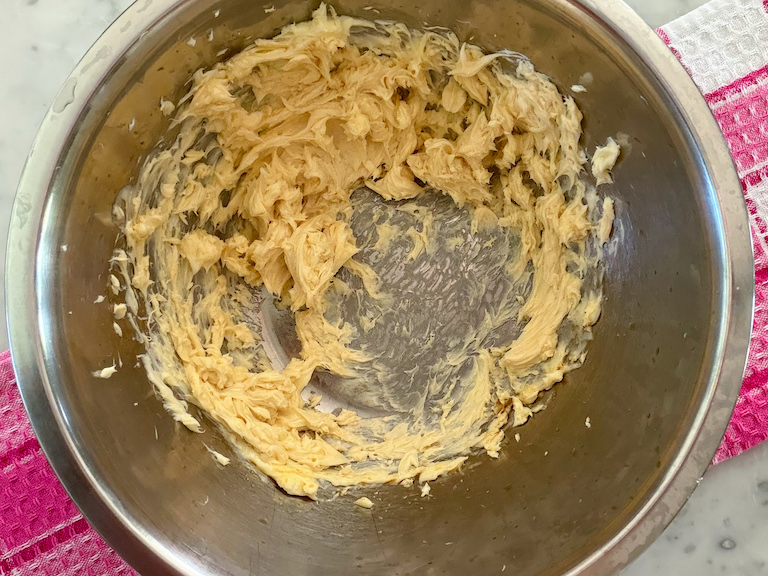
In a large mixing bowl or the bowl of a stand mixer, whip the softened butter on high speed until smooth and creamy. Mix in the vanilla extract and fine sea salt.
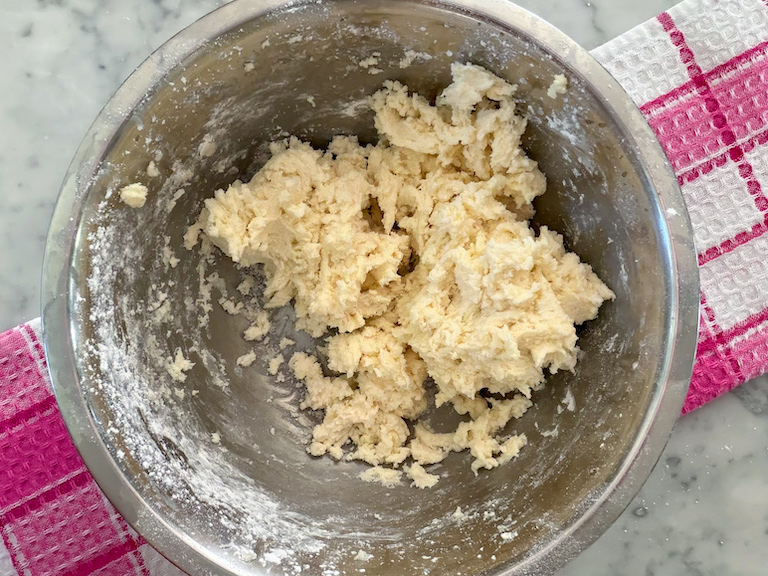
Gradually add confectioner’s sugar and milk, alternating between the 2 until a soft dough forms. If necessary, add more confectioner’s sugar or milk to adjust the consistency. The dough should feel soft enough to shape, but not overly sticky.
Add flavor oil and gel food coloring. For multiple colors or flavors, separate the dough into several smaller bowls. With gloved hands, knead the color and flavor into the dough until distributed evenly throughout.
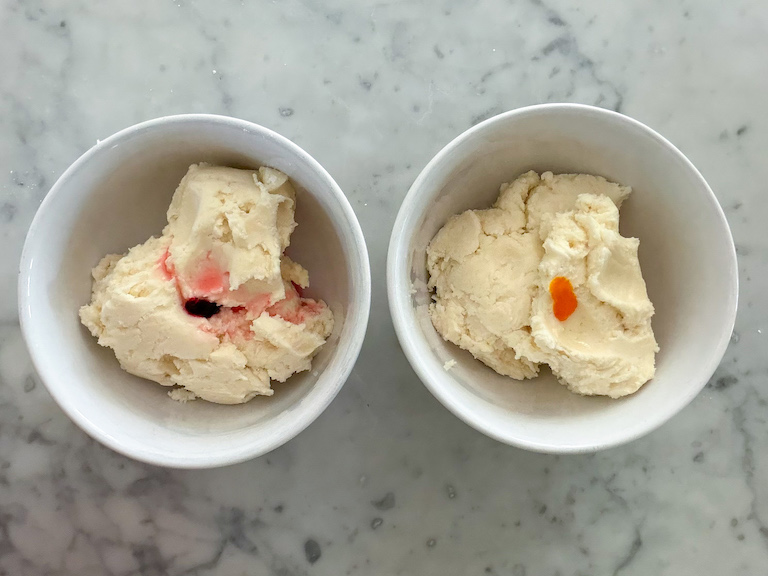
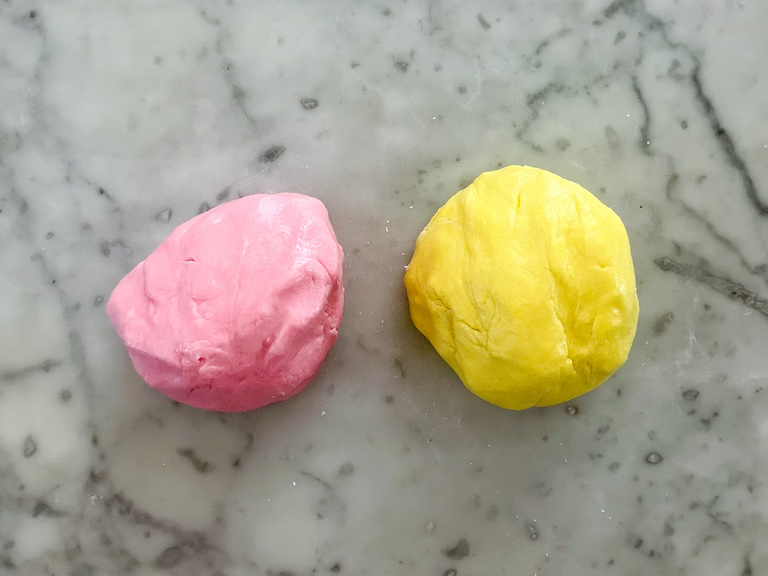
With your hands, shape the dough into 1 – 1 1/2-inch eggs. Arrange on prepared tray and refrigerate until firm, at least 1 hour, or overnight.
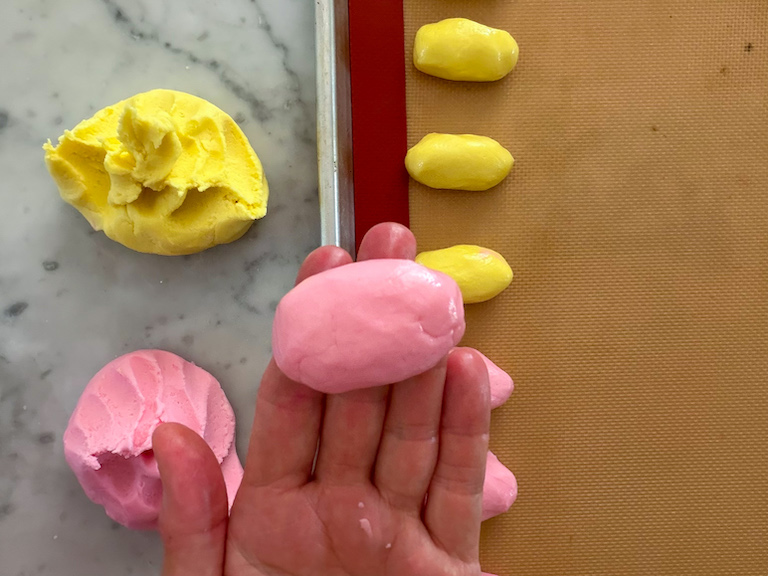
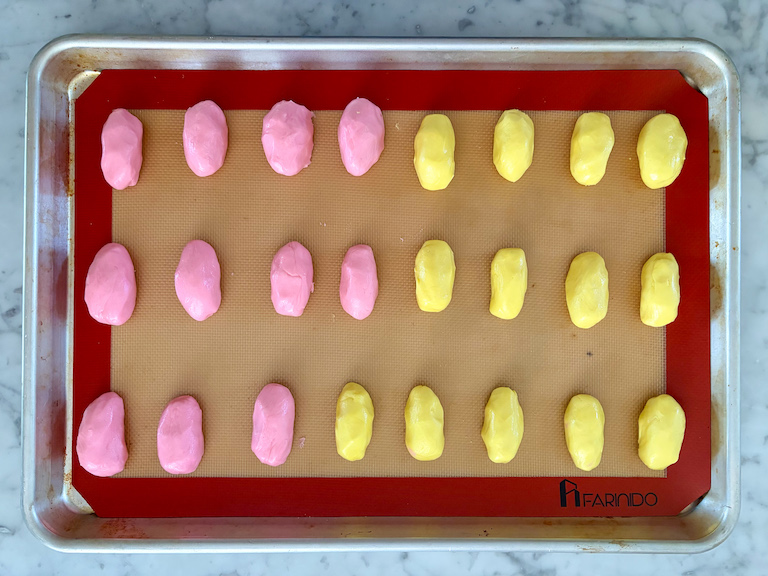
Melt the chocolate over a bain-marie or double boiler.*
Working quickly, use an enrobing fork to dip each buttercream egg in the melted chocolate. Arrange on prepared tray.
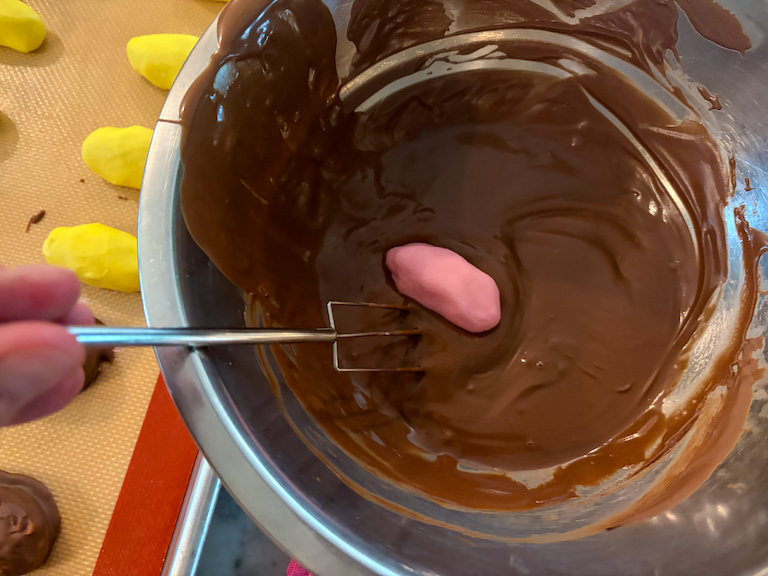
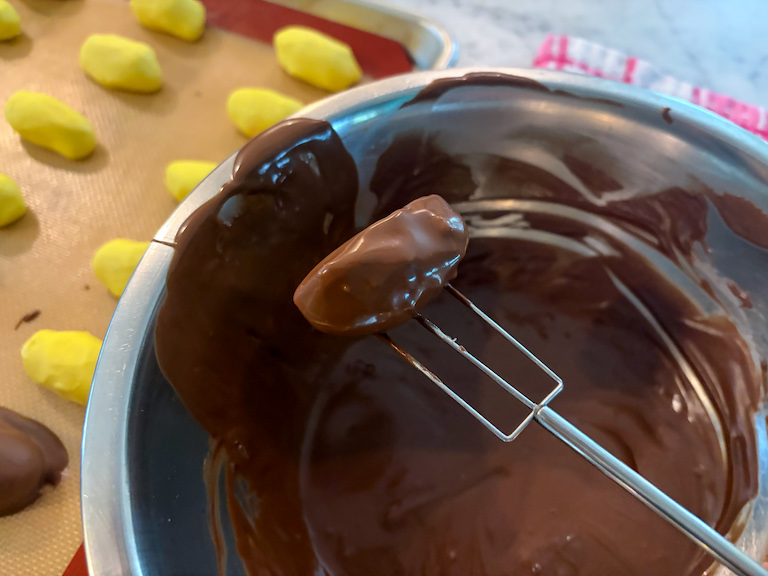
Before chocolate sets, decorate each egg with Easter sprinkles, homemade sprinkles, or sanding sugar. You can also pipe zigzags of melted chocolate over each egg, or use an enrobing fork to make decorative designs in the melted chocolate.
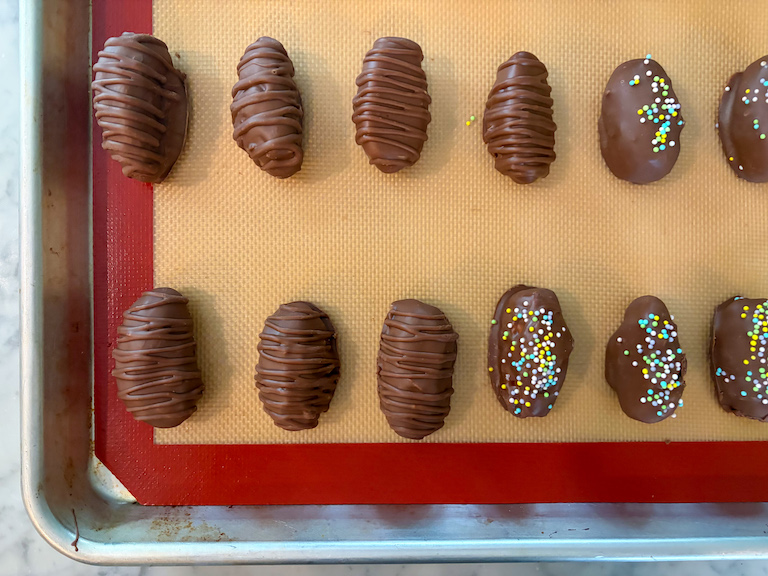
Allow chocolate to set at room temperature.
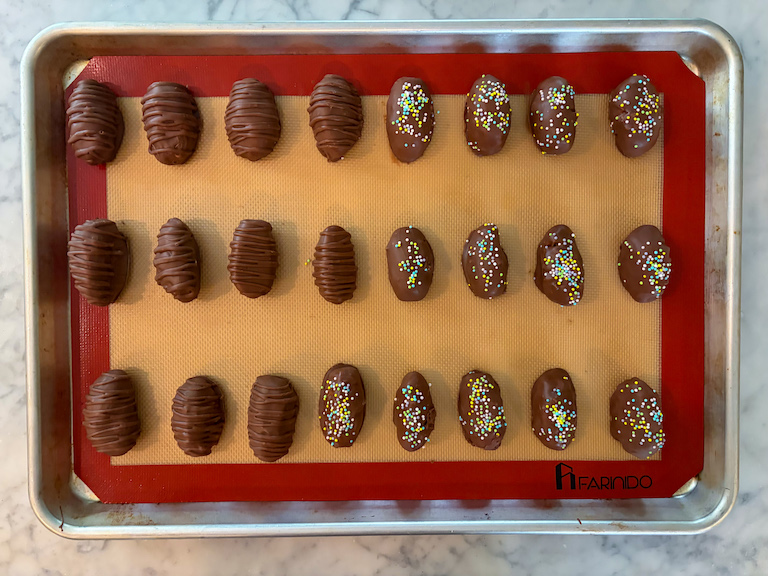
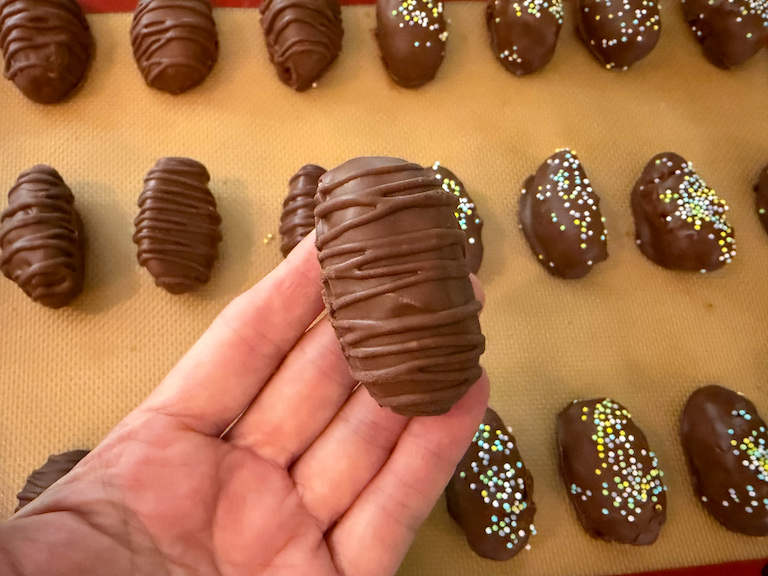
Inspect the bottom of each egg carefully. If you notice any bare spots or breaks with the buttercream peeking through, “repair” these with a food-safe paintbrush and a dab of leftover chocolate.
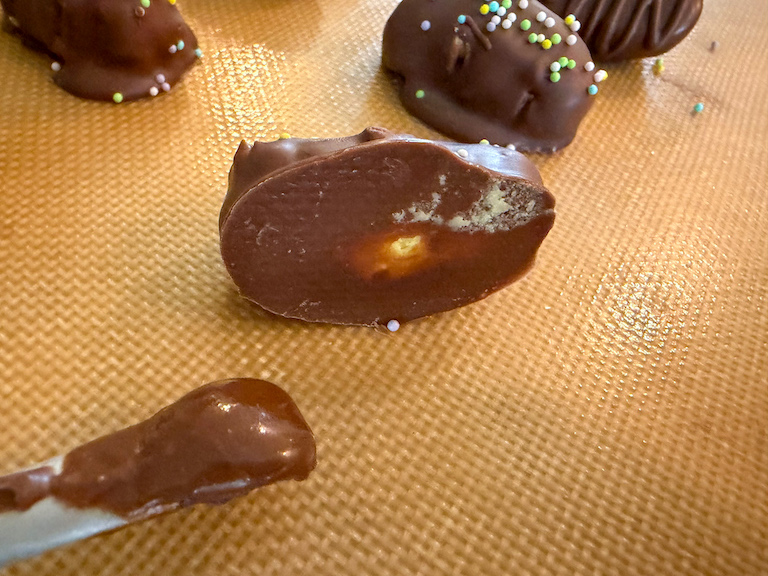
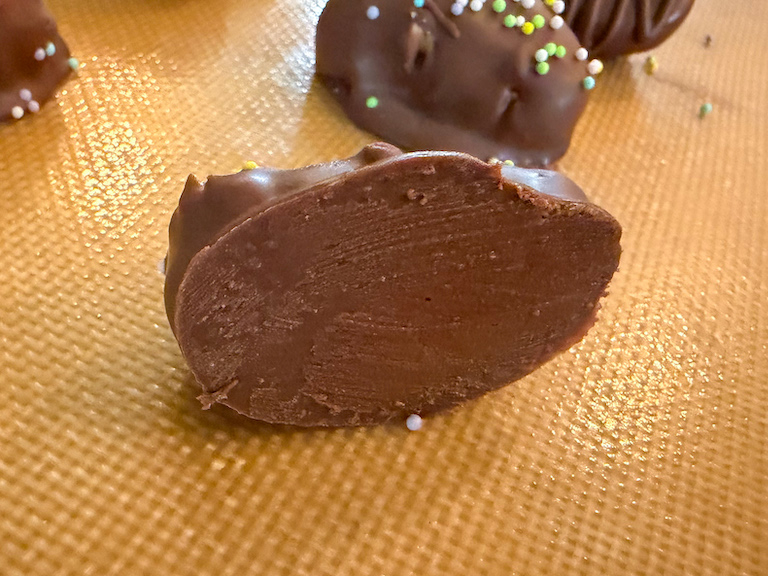
Layer eggs between sheets of parchment or wax paper. Refrigerate or store or in a cool, dark place at room temperature for up to 2 weeks.



Notes
Recipe adapted from WGAL-TV Consumer Corner/The Kitchen Shoppe in Carlisle, PA. Original recipe dated April 2, 1982.
Recipe can be halved or doubled.
*See notes on melting and tempering in the post above.
Storing and Gifting Buttercream Eggs
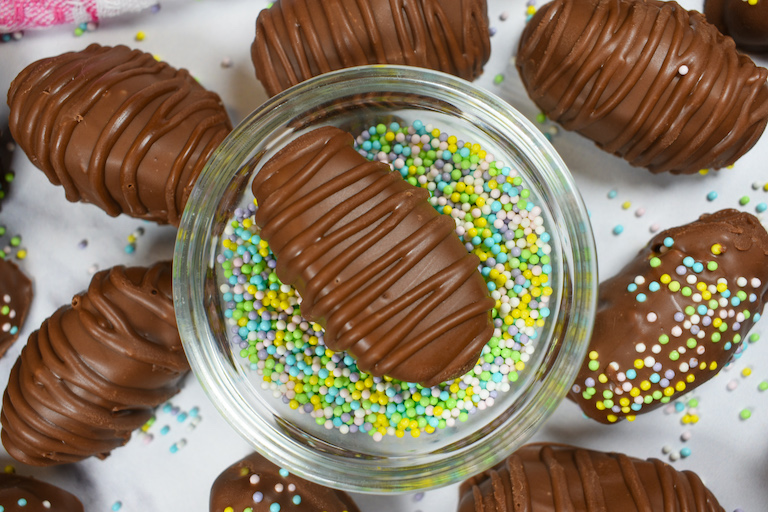
These buttercream eggs will keep for at least two weeks, and up to one month. If you live in a warmer climate you can refrigerate the finished eggs, but an airtight container in a cool, dark place usually works best. To gift, arrange eggs in a decorative tin, or fill a cello bag and tie with a big pastel bow.
More Easter Recipes You Might Enjoy
Chocolate Mini Egg Cookies
Creme Egg Brownie Cups
Mini Egg Blondies with White Chocolate Ganache
Pastel Cream Cheese Peppermints
Easter Candy Corn
And if you do make these, or any of my recipes, don’t forget to tag me @bastecutfold or use the hashtag #bastecutfold on Instagram. I always love to see what you’re making!




I loved the recipe!
Could I use real fruit puree instead of extracts or will it be runny and if so can I add more powered sugar to make it work?
Due to the high moisture content, I wouldn’t suggest using fruit purée in this recipe. For a more natural alternative, you could try using food-grade essential oils (such as orange or peppermint oil) instead of extracts. Or, you might be able to knead a bit of crushed freeze-dried fruit into your filling mixture. I haven’t tried it personally, but it should add a nice pop of color and a hint of fruit flavor!
How can I use this recipe to make peanut butter eggs
Hi Melanie! I’ve never tried to add peanut butter to this recipe. However, here is my go-to recipe for peanut butter eggs. You can also roll the mixture into ball shapes and serve at any time of the year!
Peanut Butter Eggs
8 oz. (225 g) butter, softened
8 oz. (225 g) cream cheese
2 teaspoons vanilla extract
1 1/2 cups (190 g) smooth peanut butter
32 oz. (908 g) confectioner’s sugar
Combine all ingredients using a hand or stand mixer. Roll into eggs and chill until firm. Dip chilled centers in tempered chocolate of choice (dark, white, and milk will all work well).
Enjoy!