Pastry Cream
This post may contain affiliate links. Please read the disclosure policy to learn more.
Thank you for supporting this blog!
Learn how to make homemade pastry cream with this step-by-step guide and recipe. A classic French crème pâtissière for filling éclairs, choux buns, mille-feuilles, tarts, and mini tartlet shells.

What is Pastry Cream?
If you’re a fan of Bakeoff or other baking competitions, you’ve seen contestants whipping up batches of pastry cream to fill and frost their fabulous creations. Pastry cream (crème pâtissière, or sometimes just “creme pat” for short) is a staple component in any French pastry kitchen. Made with a few simple ingredients (egg yolks, milk, sugar, cornflour/cornstarch, flour, and vanilla) and thickened on the stovetop, this custard-like cream plays key role in many desserts. It’s a popular filling for éclairs, choux buns, tarts, cakes, and doughnuts. It’s also the star player in a Boston cream pie.

Pastry Cream Recipe Ingredients
- Egg Yolks – You’ll need 50-60 grams of beaten egg yolk, or roughly the yolks of three large eggs. You won’t need the whites for this recipe, so save them to make another French classic: macarons!
- Thickening Agents – Cornflour (cornstarch) acts as a thickening agent, giving the pastry cream its custard-like texture. Along with cornflour, all purpose flour (plain flour) helps to thicken the cream.
- Vanilla Bean Paste – Nielsen-Massey makes my go-to vanilla bean paste. Rodelle, Simply Organic, and Taylor & Colledge are also good products. You can also use the scrapings of a vanilla pod. I prefer beans or paste because they add a more pronounced vanilla flavor, as well as pretty vanilla bean speckles, but a good-quality extract will work in a pinch. Avoid cheap imitation flavors, which are mostly alcohol and artificial colorants.

- Whole Milk – Stick with whole milk for the thickest, richest pastry cream. Avoid fat-free or plant based milks; these don’t contain enough fat, and will produce a watery cream.
- Granulated Sugar – Granulated sugar (or caster sugar measured by weight) sweetens the cream, acts as a stabilizer, creates structure, and assists in thickening the cream. Don’t reduce the amount of sugar in this recipe.

Notes on Tempering
Tempering, or gradually combining hot and cold ingredients, plays an important role in making crème pâtissière. (It’s the same technique I use to make custard-based ice creams, lemon curd, and vanilla pudding.) To temper, simply pour the hot milk gradually into the egg bowl in a thin stream, whisking well after each addition. Be careful not to pour too quickly or add all of the milk at once. If tempered correctly, your pastry cream should not be “eggy” at all, but if you do notice bits of egg in the finished product, pass it through fine mesh strainer to strain.
“Knocking Back” the Cream
“Knocking back” is the process of whisking or agitating the cooled pastry cream to remove any lumps and create a smooth and creamy texture for piping or spreading. In pastry school we learned to do this the “old fashioned” way: by hand, with a wire whisk!


I prefer to whisk my pastry cream, but if you’re making a large quantity or want to make things easier, you can use a hand mixer or immersion blender to knock back the cream, or scrape it into the bowl of a stand mixer and whip until smooth.

Tips for Making Homemade Pastry Cream
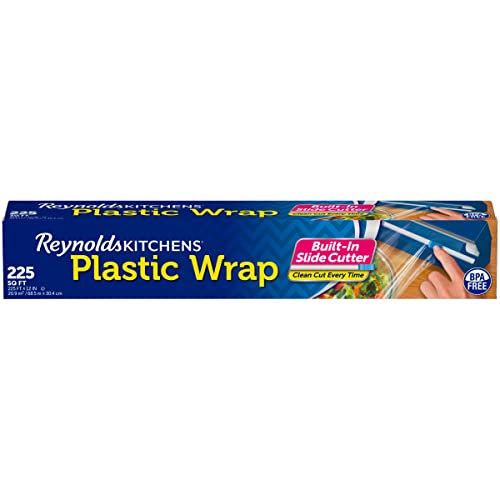
- Cover with clingfilm. After spreading the pastry cream on a tray to cool, cover the entire surface with a layer of clingfilm/plastic wrap then use your hands to pat down the film. The plastic should come in direct contact with the pastry cream—this prevents a rubbery, unappealing “skin” from forming on top.

- Boil briefly. After cooking the cream on the stovetop until it turns thick and custard-like, allow it to come to a low boil, then boil for 1-2 minutes, stirring continuously. This helps to cook some of the starchiness out of the cream.
- Cool on a tray. With a clean rubber spatula, transfer pastry cream to a metal tray, and spread it evenly over the surface. Spreading the cream on a tray allows it to cool faster than it will in a bowl.

How to Make Pastry Cream
- Total Time30 minutes
- Yield400 grams (about 1 1/2 cups) 1x
A classic vanilla bean pastry cream for filling éclairs, choux buns, tart shells, donuts, cakes, and other pastries.
Ingredients
50-60 grams egg yolk (yolks of 3 large eggs)
16 grams all purpose flour (2 tablespoons)
16 grams cornflour/cornstarch (2 tablespoons)
1 teaspoon vanilla bean paste
240 milliliters whole milk (1 cup)
60 grams granulated sugar (1/4 cup), divided
Instructions
In a large bowl, whisk egg yolks, flour, cornflour, vanilla bean paste, and half of the granulated sugar.

In a medium saucepan, stir together milk and remaining granulated sugar. Warm over medium heat until steaming. (Do not boil).

Gradually pour the hot milk into the beaten egg mixture in a thin stream, whisking well after each addition.* Do not to pour too quickly or add all of the milk at once.
Pour back into saucepan. Cook over medium-low heat, stirring continuously with a whisk or flexible rubber spatula. Pastry cream will thicken as it cooks.

Bring thickened pastry cream to a very low boil. Boil for 1-2 minutes, stirring continuously.**

With a clean rubber spatula, transfer pastry cream to a metal tray. Spread evenly over the surface.

Cover with a layer of clingfilm/plastic wrap. With your hands, pat down the plastic so it directly touches the pastry cream to prevent a tough skin from forming on top.
Allow pastry cream to cool to room temperature if using immediately, or refrigerate until ready to use.
To use, remove the clingfilm/plastic wrap and scrape into a clean mixing bowl. With a wire whisk, hand mixer, or immersion blender, “knock back” the pastry cream by whipping until smooth and creamy.

Use as desired.
Store leftovers pastry cream in the refrigerator for up to 2 days.


Notes
*See video in post above to watch me demonstrate the tempering process.
**This helps to cook out some of the starchiness.
- Category: Frostings and Fillings
- Method: Stovetop
- Cuisine: French Pâtisserie
How to Use Homemade Pastry Cream
I love vanilla bean pastry cream for its versatility. You can pour it into a tart shell and cover with sliced fruit or berries to make a classic French tarte aux fruits:

Or, spread it between the layers of a cake; pipe it into doughnuts, choux buns, or éclairs; use as a component in a mille-feuille, or sandwich between macaron shells to make Boston cream pie macarons:

Make-Ahead and Storage Suggestions
To use immediately: If you plan to use your pastry cream immediately, allow it to cool slightly on the tray, then knock back and proceed to spread or pipe as desired.
To make in advance: If making pastry cream ahead of time, cover the cream with clingfilm/plastic wrap and refrigerate until ready to use. Knock back just before using.
To store: Refrigerate pastry cream (or pastries containing pastry cream) for up to 48 hours. Do not freeze.
Other Frosting and Filling Recipes You Might Enjoy
Lime Curd
Earl Grey Ganache
Coconut Whipped Cream
Mint Chocolate Chip Buttercream
Ruby Chocolate Ganache
And if you do make these, or any of my recipes, don’t forget to tag me @bastecutfold or use the hashtag #bastecutfold on Instagram. I always love to see what you’re making!